1. Walk the grounds
For outdoor spaces, the crew walks fence lines, planters, corners and bushes where needles collect.
Claysburg, PA · Blair County
Do not pick it up. If you see a needle, lancet or syringe in Claysburg, call (877) 812-4220 and let a cleanup team handle the sharps removal, sealed containers and disposal.
If anyone is in danger, call 911 first. For a suicide crisis, call or text 988.
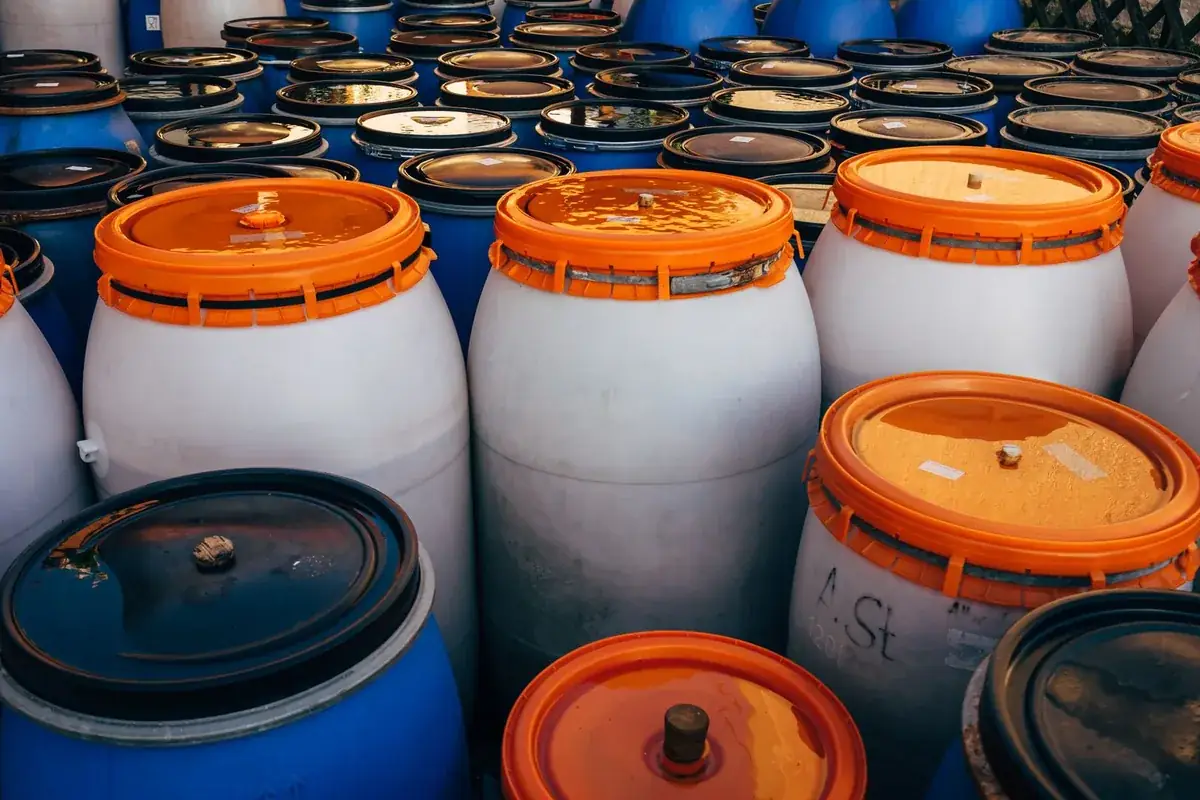
Needle and syringe pickup is a form of biohazard cleanup aimed at sharps. Protective equipment, special containers and proper disposal are part of every job.
You will not be judged when you call Claysburg Biohazard Cleanup Help about needles in Claysburg or Blair County. Crews focus on making the property safe and on disposing of sharps properly, following the rules for regulated medical waste.
About 28% of households in Blair County rent. Renters and owners alike can call a cleanup team when needles are found. After a needle stick, wash with soap and water and get medical care. Conemaugh Nason Medical Center in Roaring Spring is the closest emergency room to Claysburg.
A typical needle & sharps cleanup job includes:
For outdoor spaces, the crew walks fence lines, planters, corners and bushes where needles collect.
The whole property is searched, section by section, until the crew is confident every sharp is found.
Sharps go into labeled containers without being recapped, bent or picked up by hand.
After the last walk-through, the owner can reopen the area to tenants, customers or family.
The cost of needle & sharps cleanup in Claysburg, PA depends on the amount of material, how it is packed and how it is hauled.
The number of sharps matters because each needle must be found, lifted and sealed, and large amounts mean more containers and more disposal.
| Type of job | Typical range |
|---|
These ranges come from published cost guides () and are not a quote for Claysburg. Price drivers include number of items, where they are found, whether a sweep of a large area is needed, waste disposal. For a real number, call (877) 812-4220.
No. Crews focus on safety and cleanup, not on why the needles are there. The team asks only what it needs to plan the work, and you decide what else to share.
Some cities and counties collect found needles from public land at no charge, and many do not. Availability varies. The local health department or public works office can say what exists where you live, and a cleanup team can help with private property.
No. This page explains how needle and sharps cleanup works. It is not medical, legal or insurance advice. For exposure or symptoms, contact a doctor or Poison Control, and for local programs ask the health department.
Loose needles should not go in household trash, because they can stab sanitation workers. Rules for small amounts of household sharps vary by city and county. The local health department can say what is allowed, and a cleanup team can take larger amounts.
Yes. Dogs and cats may sniff, chew or step on sharps. Keep pets away from the area until a cleanup team has searched it. If a pet is stuck or swallowed something, call a veterinarian right away.
Lease terms and local law decide. A landlord, an attorney or a tenant rights group can say who is responsible. In many cases the property owner books the sweep first so the unit can be used again, and the cost is sorted out afterward.
A full sweep finds the needles you can see and the ones you cannot.
Call (877) 812-4220